 |
 |
 |
 |
| |
 |
| |
 |
| |
 |
| |
 |
| |
 |
| |
 |
| The Granary | |||||||||||||||||||||
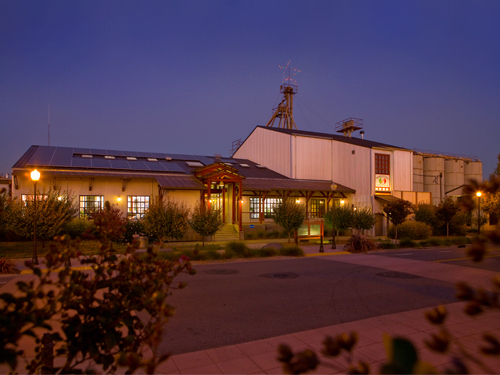
Morgan Hill, CA Located on a long, narrow site, sandwiched between the railroad tracks and an un-finished section of Downtown, the old Granary was the most prominent reminder of this area’s once preeminent agri-business. As populations grew and Santa Clara Valley evolved into Silicon Valley, The Granary became a derelict monument to a bygone era. While Downtown businesses evolved to reflect the times, the industrial business, based around the Granary and the railroad tracks slid into non-use and decay. WMA chose to preserve this piece of the City’s agricultural past, while developing a “gateway” project at the northeast entry to the Downtown, adjacent to the train depot including the architect’s offices, a community space, retail space and additional rental offices. The program included sustainable design goals as way to promote WMA's interest in sustainable design and provide a teaching space for clients and interested community members. The development of the site includes a small orchard with fruit trees that were once the economic basis for the agrarian heart of Morgan Hill. This was the first major new building to be constructed in the Downtown in more than 10 years. We took the original building, responded to it and develops it into an integrated sustainable structure achieved by meeting a number of goals: historic building reuse, a sustainable building and site design, development of views and inclusion of day-lighting and natural ventilation, an internal design that encourages connectedness and understanding of adjacent spaces, their historic context and their relationships to the whole, adherence to a very limited budget of $2 million dollars and investigation and modeling of new concepts and ideas in construction. The goals were achieved by designing an adaptive re-use of the existing building, retaining the Granary’s form, structure and foundation, transforming a drafty, dark industrial building into an efficient, bright structure using Savings by Design and LEED criteria in addition to standard design practices. The project received Designer and Owner incentives from the Savings by Design program and received LEED Gold Certification in December 2007. The Renovation of the site included several small buildings that have been re-worked into an Art Gallery space and a trash/recycling enclosure. The corn sifting building was lifted from its foundation and relocated to provide storage, a recycling center and a trash enclosure. The relocation was accomplished by lifting the entire structure over the remaining 50’ main silos, with a crane. The parking lot was constructed of permeable concrete, which reduces run-off and re-charges the aquifers. The existing concrete ramp that served the main entry was reconstructed for access compliance and outdoor seating. The elevated foundation would have necessitated a very long ramp to meet ADA requirements. Instead, a three stage elevator with exterior access was installed next to the building including a stair core. This allowed us to construct outside the existing structure without impacting the existing structure or foundation. The original truck scale remained in place and is part of the path leading to the main entry. At the front side of the entry is a small storage building and mail box area, replacing the original main scale building. The existing building structure was inspected by a structural engineer, due to the change in occupancy and to verify if it met current standards. The results indicated it would be acceptable if no additional loads were placed upon it. The new interior, a two and three story structure, was constructed within the existing exterior metal structure, erecting a building with in a building. This allowed us to keep the original structure and highlight it by sandblasting the original structure to clean it and then insulating on top of the existing roof, retaining the original metal roofing and siding. The building’s interior openness allowed for creative solutions including a mezzanine overlooking the first floor with an accessible steel catwalk and a third floor space that can be developed in the future. The structure allowed windows to be located in such a way as to emphasize views while retaining the nature of the building. The open ceilings created an opportunity to provide a unique and flexible approach to heating and air conditioning by the use of duct sox. The original floor plan, of 6,000 square feet on one level, was expanded vertically to provide over 14,000 square feet, with an additional 1,200 feet added for restroom and elevator and stair cores. Restrooms use low water-use fixtures and waterless urinals. The adaptive reuse of the existing structure and the understanding of what elements from a construction standpoint made sense to maintain and to construct new, allowed the construction process to proceed in a clear and organized fashion. There were a number of obstacles to development; demolition and cleanup of the site that had been abandoned for over seven years resulted in significant cost. The summer of 2004 escalation of steel prices also adversely affected construction cost. Recycling concrete by using it to fill in open underground pits, once used for grain storage, saved the cost and disposal of hauling tons of concrete. The project recycled 90% of all materials and 100% of the existing steel tanks and structures. Preservation/Restoration Acknowledgement and incorporation of the historic Granary elements into the building, with the goal of sustainability, the project focuses not just on the historic nature but takes the essence of the Granary and follows that vocabulary throughout the project. During and after the construction people from many walks of life have come to remember what it was like when it was a functional feed granary running 24/7 and others interested in what the past held. Preservation of the past was very important in developing the project. Architectural elements were retained including the original silos as well as the superstructure that originally fed the silos. The Granary had a star on the highest structure and that too was reconstructed and installed, reminding the community of the past. Many elements were maintained or re-used; augers for lifting feed became elements that help bounce light off of the ceiling, the original scale was re-worked and re-located to outside the new restrooms and provides a fun place for adults and children to experience the past. Photos and maps of the Granary when it was in it’s heyday and when it was abandoned line the hallway and provide for an interpretive historic look into a the not-so-long ago history of this once agricultural town now part of bustling Silicon Valley. Go to top Environmental Advancement Materials and methods were key to the adaptive re-use and environmental advancement. Following the LEED criteria and working with Savings By Design was a natural extension of re-using the existing building and the goal of designing a sustainable building. Re-use of the metal structure, roofing and some siding was important as well as re-cladding with Galvalume contributing to the percent recycled content of the project. The Galvalume also provided a finished surface reducing material use. The original steel frame and the roofing were sandblasted to provide a clean interior ceiling and structure. To maintain the look of the original Granary while providing greater comfort and energy efficiency, a new metal ‘cool’ roof was installed on the top of the old roof and 95% recycled content insulation was blown in allowing for complete fill and a minimum of R30. The project embodies sustainable design concepts including natural lighting and ventilation through the use of low E double-pane operable windows, extra insulation –blown in 95% recycled , recycled products, renewable resources, low or zero VOC paints, glues and sealant materials, a building recycling center, low water restroom fixtures, low energy use and re-use of the existing interesting structure and floors. This well insulated building stays warm in the winter and cool in the summer. On a summer morning windows are opened early so that the prevailing breeze flows through cooling the building and reducing the need for air-conditioning. Building performance is 26.6% better than California Title 24 standards. This was achieved by the increased insulation, window protection and high efficiency HVAC units. Materials used in the design include some unique approaches, a “storefront” constructed of wheat board and Trex ( a product with high recycled content and the decking material used in the exterior decks as well) and a theme using wheat board for edging and capping. Cork flooring was used on the second floor mezzanine and Green Guard carpet squares were used in some of the office areas where the original concrete flooring was not used. All other floors were the original concrete, stained and sealed with a zero VOC stain and finish. All casework is wheat board sealed and finished. Window coverings and a translucent overhang helps to monitor heat gain in the summer and allow for interior day-lighting. When lights are used, all interior lighting remains with in the building decreasing light pollution. The Kalwall skylights give a consistent interior glow, decreasing the need for lighting. All interior rooms have windows that allow for views and natural lighting from the outside. Al principally habitable spaces are adjacent to operable windows. The building inhabitants, 7 businesses (all who were incubated in the building) and a restaurant, enjoy the adjacent trains passing within 10 feet of exterior office windows (well insulated so virtually no sound), the natural light, the original use of every-day-materials, the sustainability and low energy costs and the uniqueness of this historic and sustainable building. Go to top |
|||||||||||||||||||||
| View more projects | |||||||||||||||||||||



Home | Our Company | Sustainable Design | Recent Projects | Awards | Careers | Contact Us Copyright ©2012 Weston Miles Architects. All rights reserved. |
 |